I am a passionate student driven by a profound love for logical problem-solving, which I try to express both on the chessboard and through code. As a competitive chess player and an aspiring programmer, I like to challenge myself to analyze complex situations, calculate precise outcomes, and execute winning strategies.
Whether I'm learning new programming languages or preparing for my next chess tournament, I am trying to constantly develop my logical and analytical skills to my level-best. I believe that the discipline and analytical thinking required in chess will help me write efficient and elegant code.
My curiosity also reaches beyond the terrestrial, into the vast mechanics of the cosmos. I am deeply fascinated by astronomy and the engineering required for space exploration—viewing the universe as the ultimate complex system, governed by the same mathematical beauty and logical precision present in every line of code.
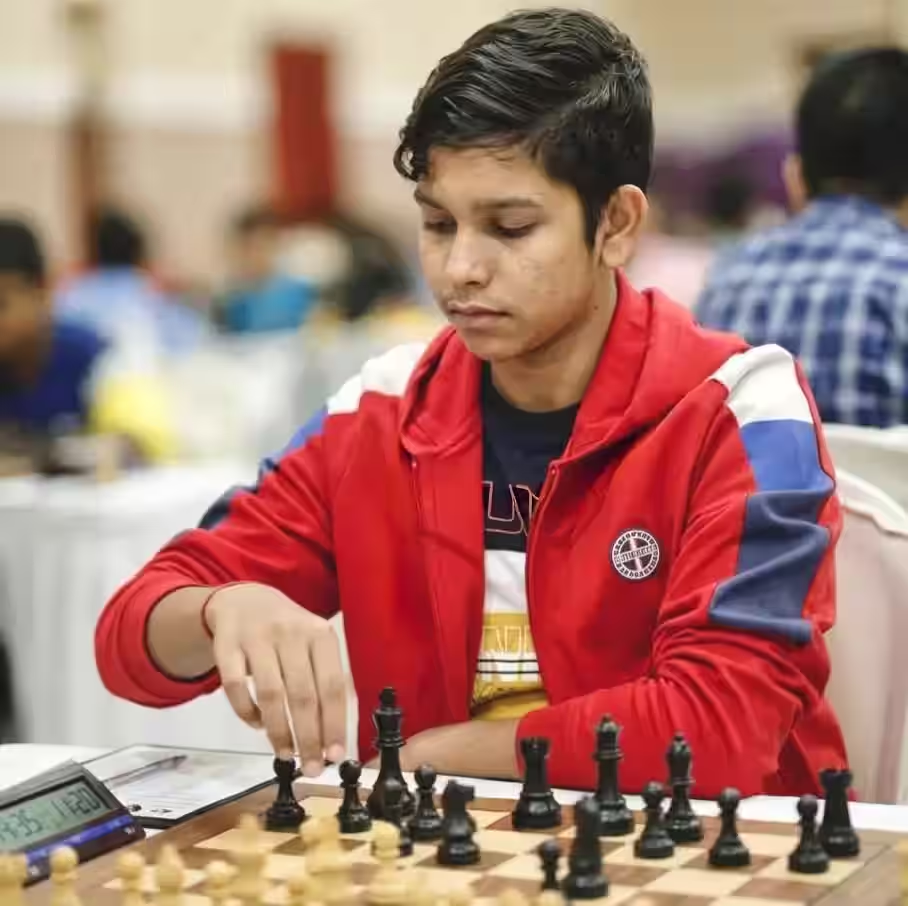
"My passion for chess helps me create a blend of strategic thinking and analytical skills
which helps me optimize my computer programs and solve complex problems."
In chess, anticipating the opponent's strategy is key. I bring this same foresight into software architecture, deducing various cases and planning the most appropriate and optimized patterns from the first line of code.
Just as a bad move can cost a game, an unoptimized algorithm can break an app. I like to break down complex problems logically and methodically debugging until the system runs flawlessly.
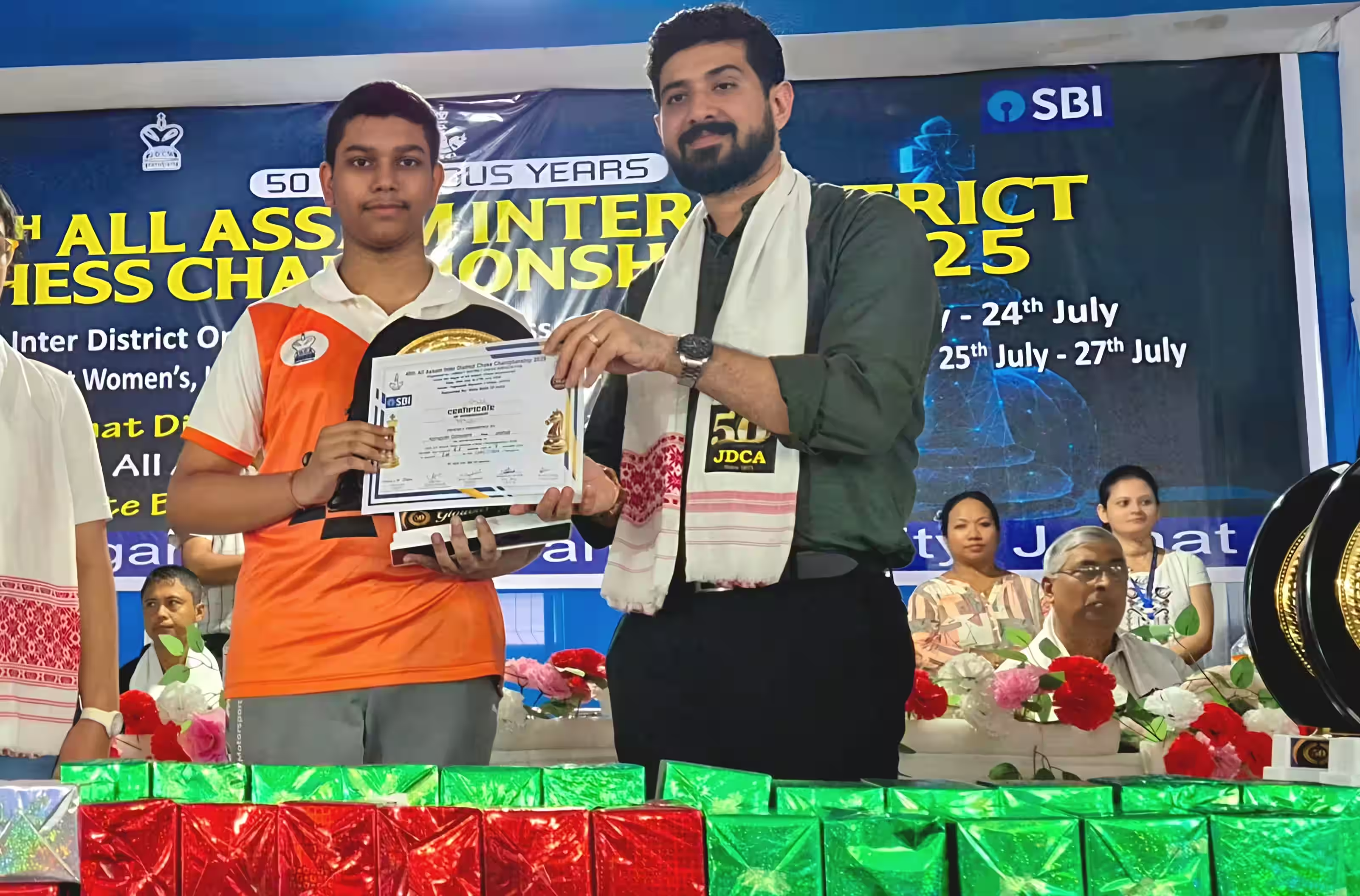
Secured the first place in the state-level under-17 championship, competing with young prodigies across Assam.
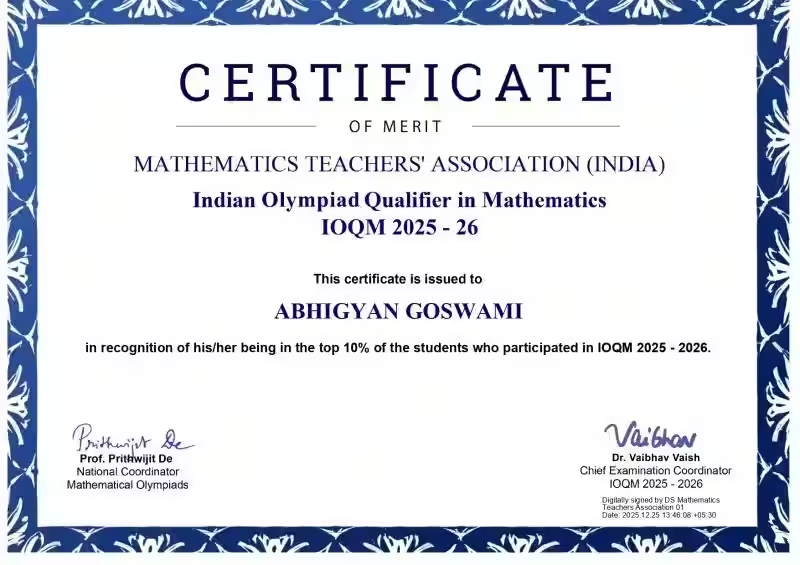
Ranked in the top decile nationally in the Indian Olympiad Qualifier in Mathematics.
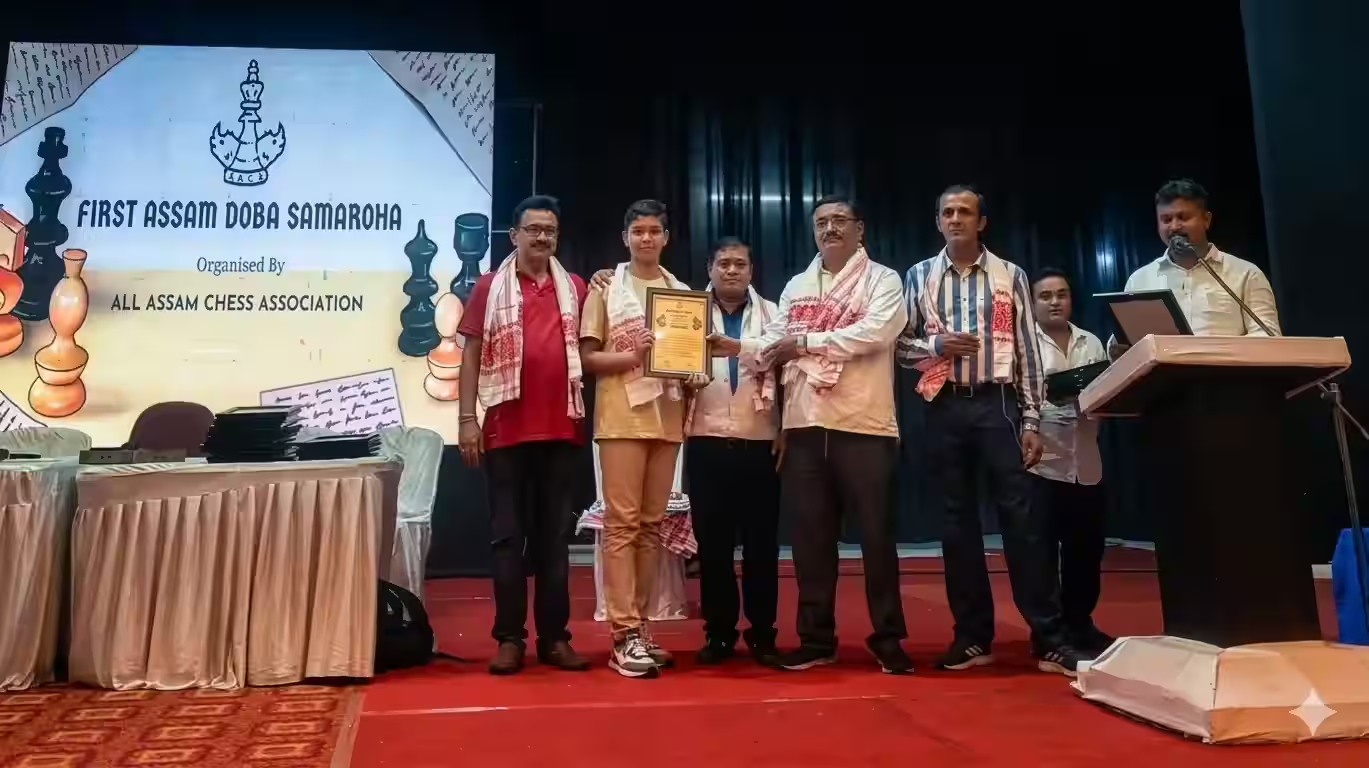
Formally felicitated by the All Assam Chess Association for representation of the state in national-level championships.
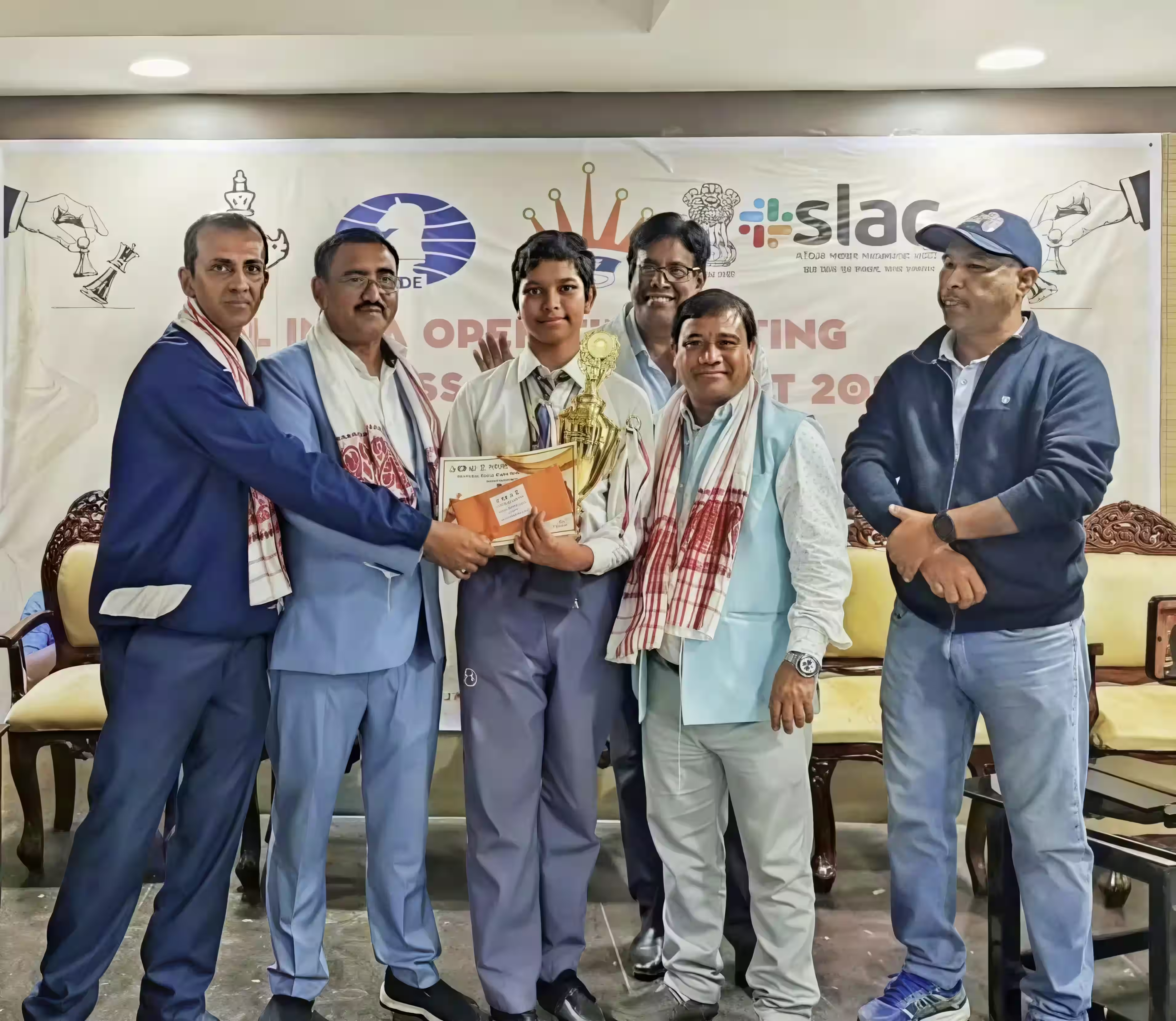
Secured a 4th position in national ranking at the All India Open FIDE Rating School Chess Tournament, competing against various young talents.
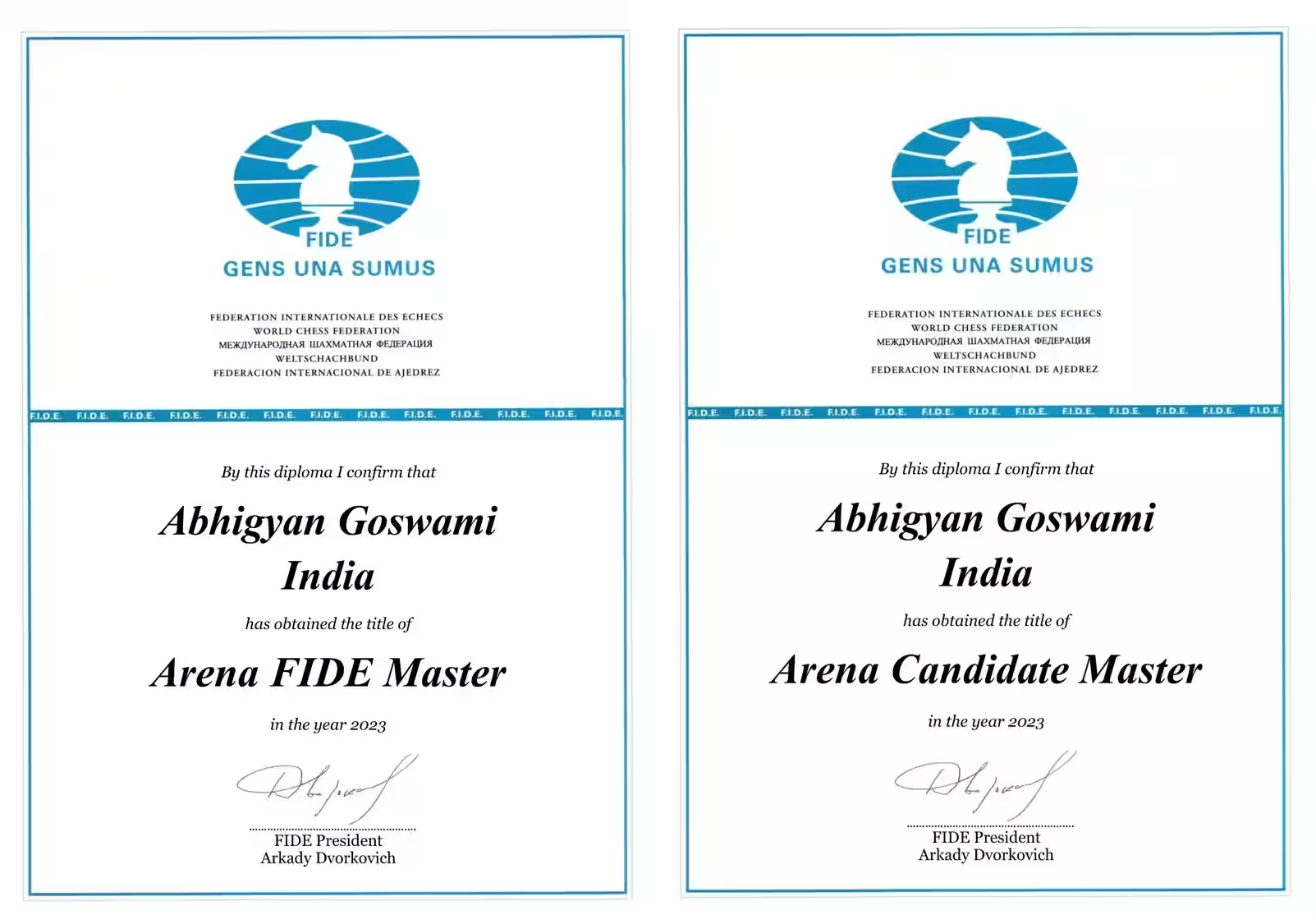
Awarded the official AFM title by the International Chess Federation (FIDE) for maintaining consistent 1400+ rating across 150 games.
Simulating a basic LED 'Blink' circuit to understand pulse-width modulation (PWM).
analogWrite() to
simulate variable voltage levels.LDR Sensor — A follow-up to PWM. Instead of the user telling the LED how bright to be, a sensor does it for them.
analogRead() command.
An essential application in today's world, designed to generate cryptographically secure passwords with customizable constraints.
random module for
cryptographically strong randomization.A strategic CLI game blending Wordle deduction with chess vocabulary and custom ASCII visuals. It blends Chess and Wordle together to give the user a unique game experience.